
Meeting Highlight



Robotic surgery is rapidly reshaping the surgical landscape in Malaysia and across the region, offering patients shorter recovery times and improved outcomes. Yet its growing adoption raises critical questions of how best to train surgeons, credential practitioners, and prepare for the medico-legal implications that accompany new technologies. These pressing issues took center stage at the 2nd Picaso Robotic & MIS Exchange (PROMISE 2025), held from 26-28 September under the theme “A Milestone Event in Robotic & Minimally Invasive Surgery”. Organized under the leadership of Dr. Fam Xeng Inn (Organizing Chairman, PROMISE 2025), and endorsed by the College of Surgeons of Malaysia (Minimally Invasive Surgery Chapter), the Malaysian Urological Association, Hospital Canselor Tuanku Muhriz UKM, the Advanced MIS, Robotic & Ablation Society of Gynaecologists Malaysia (AMRAS), and the Malaysian Society of Colorectal Surgeons, the event brought together leading international surgeons from Malaysia, Singapore, Korea, China, the Philippines, Thailand, and the United States for live surgical demonstrations, didactic lectures, and interactive forums. The program showcased the breadth of robotic applications across urology, gynecology, colorectal, and general surgery, while also addressing key issues of safety, quality, and credentialing. During one of the featured panel discussions, experts called for the development of robust training, credentialing, and governance frameworks to match the pace of surgical innovation, ensuring that new technologies are adopted safely and sustainably.

With obesity and metabolic syndrome reaching alarming levels in Malaysia, clinicians are looking beyond conventional approaches to expand the bariatric toolbox. Among the emerging options, intragastric balloons (IGBs) are gaining momentum as a minimally invasive, endoscopic solution to support the initial step in weight loss alongside lifestyle change. At the recent “Intragastric Balloon” workshop hosted by the Department of Surgery, Hospital Canselor Tuanku Muhriz (HCTM) UKM in Kuala Lumpur, leading experts in bariatric innovation shared their perspectives on advancing IGB therapy in clinical practice.

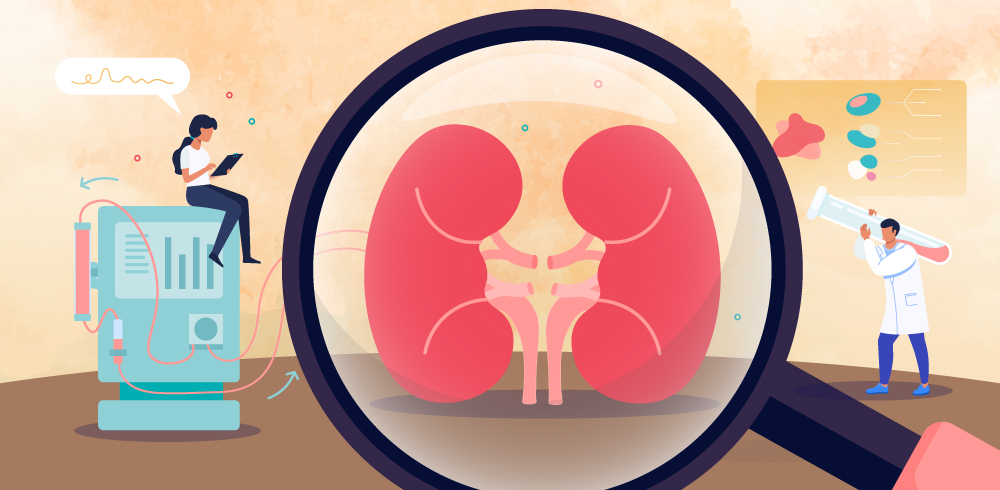
Advancing "green nephrology" through eco-friendly technologies and patient-led initiatives can reduce the environmental footprint of kidney care while improving patient independence and QoL.

With a rapidly deteriorating disease course, glioblastoma (GBM) is the most common and aggressive primary brain tumor with a typical 2-year and 5-year survival rate of 25% and 5-10%, respectively. Ever since the establishment of a standard-of-care treatment more than 15 years ago, comprising of surgical resection followed by adjuvant concurrent temozolomide chemo-radiotherapy (CCRT), little progress has been made. To address this unmet need, tumor-treating fields (TTFields) was introduced as a concurrent antimitotic treatment to CCRT and demonstrated a significant survival benefit among GBM patients worldwide as well as in Hong Kong. In the 27th Annual Scientific Meeting held by the Hong Kong Neurosurgical Society in December 2020, Dr. Peter Woo, Specialist in Neurosurgery, presented the interim analysis of a local study that demonstrated significant quality-of-life (QoL) and progression-free survival (PFS) benefits among newly-diagnosed GBM patients who received TTFields plus CCRT when compared to CCRT alone.





Trending Posts