

Nephrology

Editor’s Pick
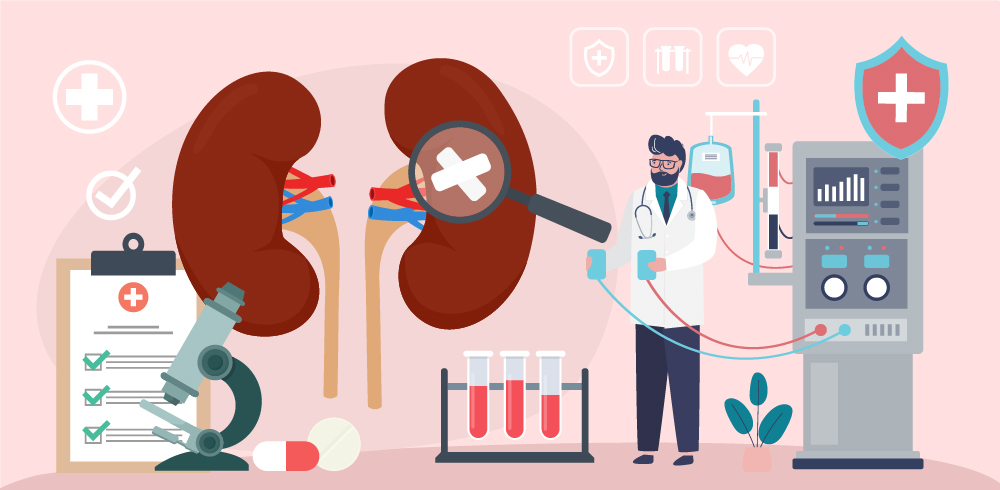
In this retrospective cohort of Malaysian patients with type 2 diabetes mellitus (T2DM) and chronic kidney disease (CKD), initiation of SGLT2 inhibitor was associated with a modest early decline of estimated glomerular filtration rate (eGFR) that stabilized over 12 months. Glycemic control improved, and changes in eGFR were not linked to HbA1c.
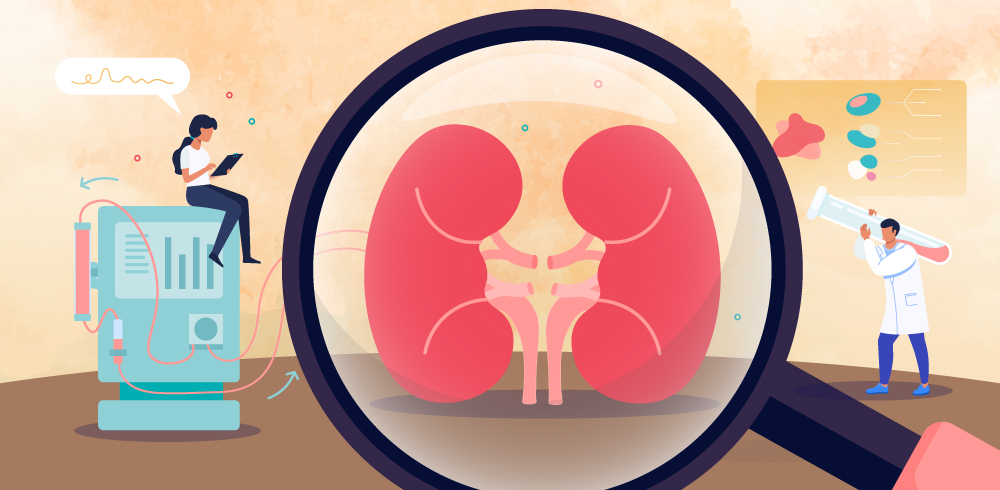
Acute kidney injury requiring dialysis (AKI-D) remains a significant challenge following hospital discharge, with up to one-third of patients continuing dialysis in outpatient settings. While some may recover kidney function, others progress to end-stage renal disease (ESRD).

In an interview with Professor Tan, Guang-Ming emphasized the value of adopting a localized CKM health framework—one that prioritizes early detection, fosters multidisciplinary collaboration, and drives systemic reforms to enhance patient outcomes and transforms the healthcare landscape.

Chronic kidney disease (CKD) has a significant global impact, affecting over 800 million people, particularly those from lower socio-economic backgrounds. In Hong Kong, recent survey data indicate that 0.7% of individuals aged 15 and older have been diagnosed with renal impairment.1 CKD is classified into five stages, with stages 4 and 5 linked to considerably higher risks of mortality and cardiovascular complications. Early detection and intervention are crucial for preventing the progression to kidney failure and for effective risk stratification, especially since over 40% of individuals with diabetes—a major risk factor for CKD—are likely to develop the condition.